
The Question Almost Everyone Asks First
If you’ve ever considered going on a mission trip, there’s a good chance you’ve asked yourself a simple question:
Am I qualified to do this?
Maybe you’ve thought:
- I don’t speak Spanish
- I’m not a teacher or counselor
- I’ve never done anything like this before
These are honest concerns. And they’re more common than you might think.
The idea of stepping into a new country, a new culture, and unfamiliar situations can feel overwhelming. It’s easy to assume that mission trips are only for people with specific skills or experience.
But that’s not actually what matters most.
You Don’t Need Experience, You Need Willingness
Mission trips are not built around expertise. They’re built around presence.
The most valuable thing you bring is not a specific skill set, but a posture of humility, openness, and a willingness to serve.
You don’t have to have all the answers. In fact, it’s often better if you don’t. When you come in ready to learn, to listen, and to support rather than lead, you create space for genuine connection.
Organizations like The Emiliani Project are designed to guide volunteers into meaningful roles. You are not expected to figure everything out on your own. You are stepping into an environment where the structure is already in place and your role is to support what’s already happening.
A mission trip is less about what you know and more about how you show up.
What You’ll Actually Do on a Mission Trip
One of the biggest misconceptions about mission trips is that they are task-driven.
In reality, they are relationship-driven.
Depending on the trip and timing, your involvement may include:
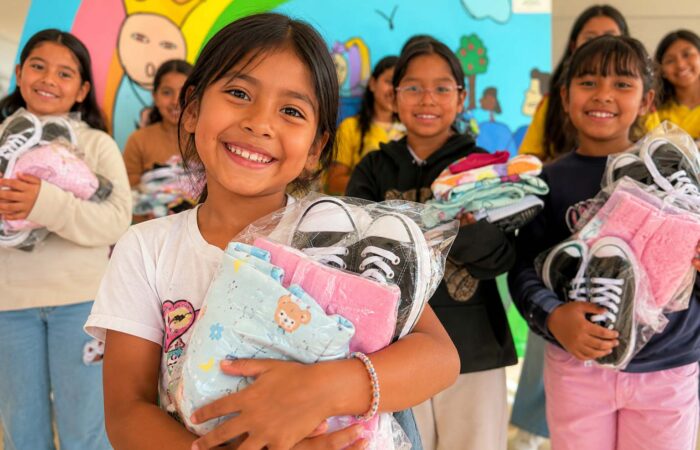
- Spending time with children through games, conversations, and activities
- Assisting with educational or creative programs
- Supporting daily routines and structured environments
- Helping with light projects that benefit the community
But more than anything, your presence matters.
Children benefit from consistent interaction, encouragement, and attention. Simply showing up, engaging, and being present can have a meaningful impact.
This isn’t about completing a checklist. It’s about being part of something relational and ongoing.
What Surprises Most First-Time Volunteers
Many people arrive expecting to give as much as they can during their time on a mission trip.
What they don’t expect is how much they will receive.
A few common surprises:
- The focus on relationships over productivity
It’s not about doing more, it’s about being present. - How quickly connections form
Even across language and cultural differences, relationships often develop naturally. - The emotional impact
Serving others, especially children, can be both joyful and deeply moving. - A shift in perspective
Many volunteers leave with a new understanding of gratitude, priorities, and what truly matters.
The experience tends to challenge assumptions in a way that is both humbling and meaningful.
Is It Safe to Volunteer in Colombia?
This is an important and reasonable question.
Colombia has changed significantly over the years, and cities like Medellín have seen meaningful transformation. That said, like any international travel, it’s important to approach it with awareness and preparation.
Mission trips through established organizations are structured with safety in mind. This typically includes:
- Local partnerships and trusted relationships within the community
- Clear guidance on where to go and where not to go
- Group-based travel and activities
- On-the-ground support from experienced leaders
You are not navigating the experience alone.
Like any travel, there is a level of trust involved. But with the right structure and guidance, mission trips can be both safe and deeply rewarding. And, we’ve built this travel guide to help prepare you for travel to Colombia.
How a Mission Trip Impacts You Spiritually
Many people sign up for a mission trip thinking about how they can help others. What often surprises them is how much the experience changes them.
Serving in Colombia creates space to step away from routine and refocus on what truly matters. In that space, faith often becomes more personal and more active.
Here are a few ways that happens:
- Growing closer to God
When you step into a posture of service, something shifts. You begin to rely less on your own plans and more on God’s presence. As you pour into others and set aside your own preferences, your faith becomes less theoretical and more lived.
Jesus summarized the Christian life simply: love God and love your neighbor. Many of us are comfortable with the first part. We show up to church, we pray, we learn. But loving our neighbor, especially in a sacrificial way, can be more challenging. Serving others is one of the most tangible ways to live that out. And in doing so, you often find yourself growing closer to God in ways that are hard to experience otherwise. - A deeper sense of purpose
Serving others helps reorient your priorities. What once felt urgent may begin to feel less important, while relationships, faith, and compassion take a more central role. - Freedom from self-focus
It’s difficult to remain inwardly focused when you are actively serving others. Many volunteers find that as they give their time and energy, they experience a sense of clarity and even joy. There is something powerful about stepping outside of yourself and focusing on the needs of others. - A renewed perspective on everyday life
After serving, many people return home with a greater sense of gratitude and a clearer understanding of what truly matters.
How to Take the First Step
If you’ve been thinking about going on a mission trip, the next step does not have to be complicated.
Start by learning more about the opportunity. Ask questions. Understand what the experience looks like and how you can be part of it.
You can explore current mission trip opportunities here:
https://emilianiproject.org/volunteer/
You don’t need to have everything figured out before you begin.
Sometimes the most meaningful step is simply saying yes to the opportunity in front of you.
A Simple Yes Can Lead to Something More
You don’t need experience to go on a mission trip.
You need a willingness to serve, a heart that’s open, and a step of faith.
From there, the experience has a way of shaping you in ways you didn’t expect.
And often, what begins as a desire to help others becomes something much deeper.
It becomes a turning point.